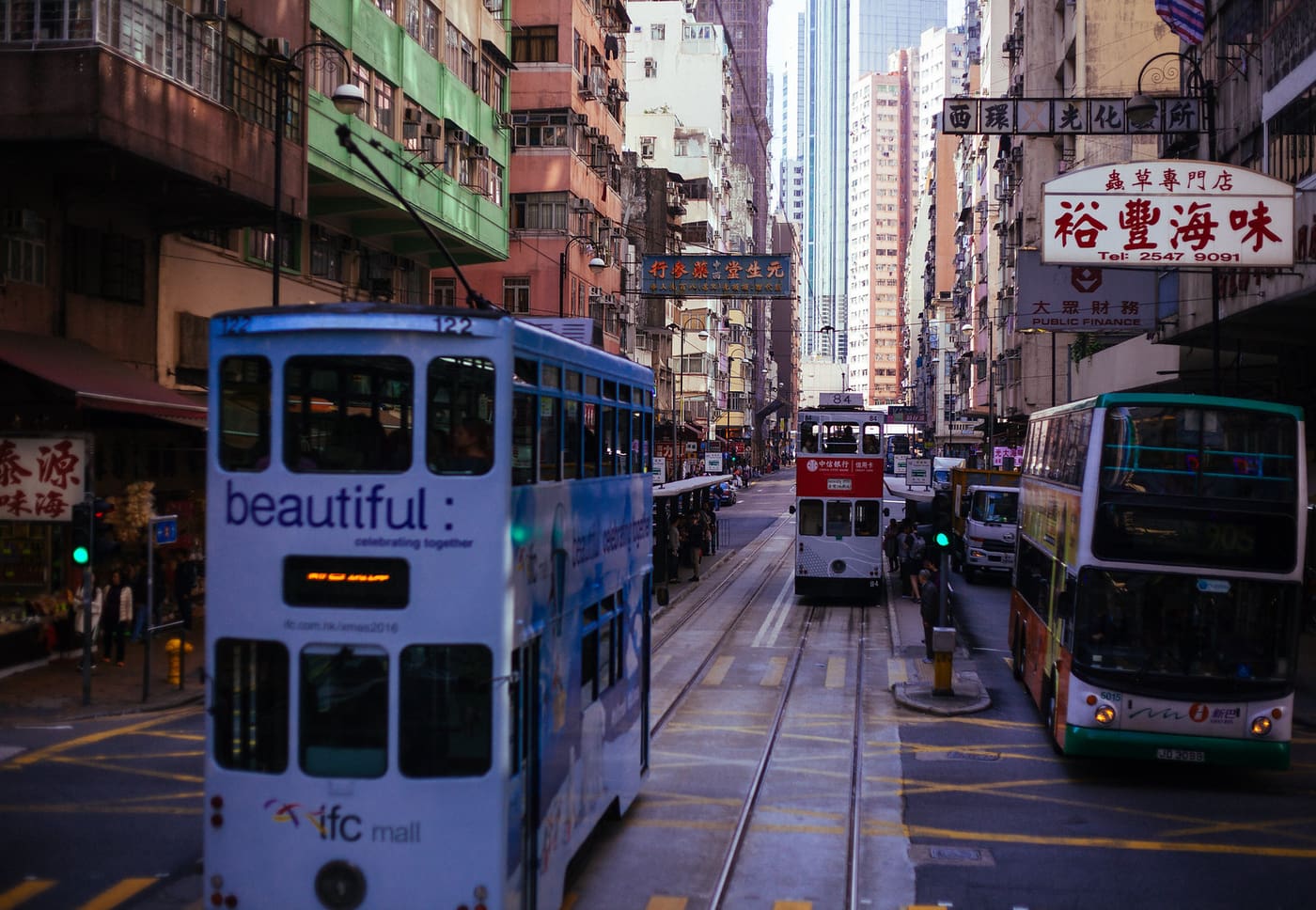
Hong Kong Travel Tips: Octopus Card, MTR, Airport, Money and Weather
Practical Hong Kong tips from official pages: the Octopus card and its refund, Airport Express fares, typhoon signals, monthly weather, visa-free stays and cash.
What's on in Hong Kong: November 2026 · December 2026 · January 2027 · February 2027 · March 2027 · April 2027 · May 2027 · June 2027 · July 2027 · August 2027
Get an Octopus card before you do anything else, take the Airport Express into town, and watch the Observatory’s typhoon signals between May and October. That covers most of what can go wrong. The facts below come from the Octopus, MTR, Observatory and Immigration Department pages, read on 7 November 2026, so check the page for your date.
Roam Hong Kong also read 15 guides of practical tips in English, Japanese, Korean, Spanish, French and German and counted what they agree on. Where a tip comes from the guides rather than an official page, the text says so. For what’s on during your stay, use the map and the events page.
What the guides agree on
| Tip | Guides naming it (of 15) |
|---|---|
| Get an Octopus card | 14 |
| Take the Airport Express into town | 11 |
| Come in autumn or winter | 9 |
| Watch the Observatory for typhoon signals | 8 |
| Sort out data before you land | 8 |
| Carry some cash | 6 |
| Tipping is not expected | 6 |
| Pack a UK-style plug adaptor | 6 |
| Watch for pickpockets in crowds | 5 |
| Check visa-free entry | 5 |
| Do not eat or drink on the MTR | 4 |
| Stand on the right on escalators | 4 |
| Check the taxi meter is running | 4 |
Get an Octopus card
Recommended by 14 of 15 guides read.
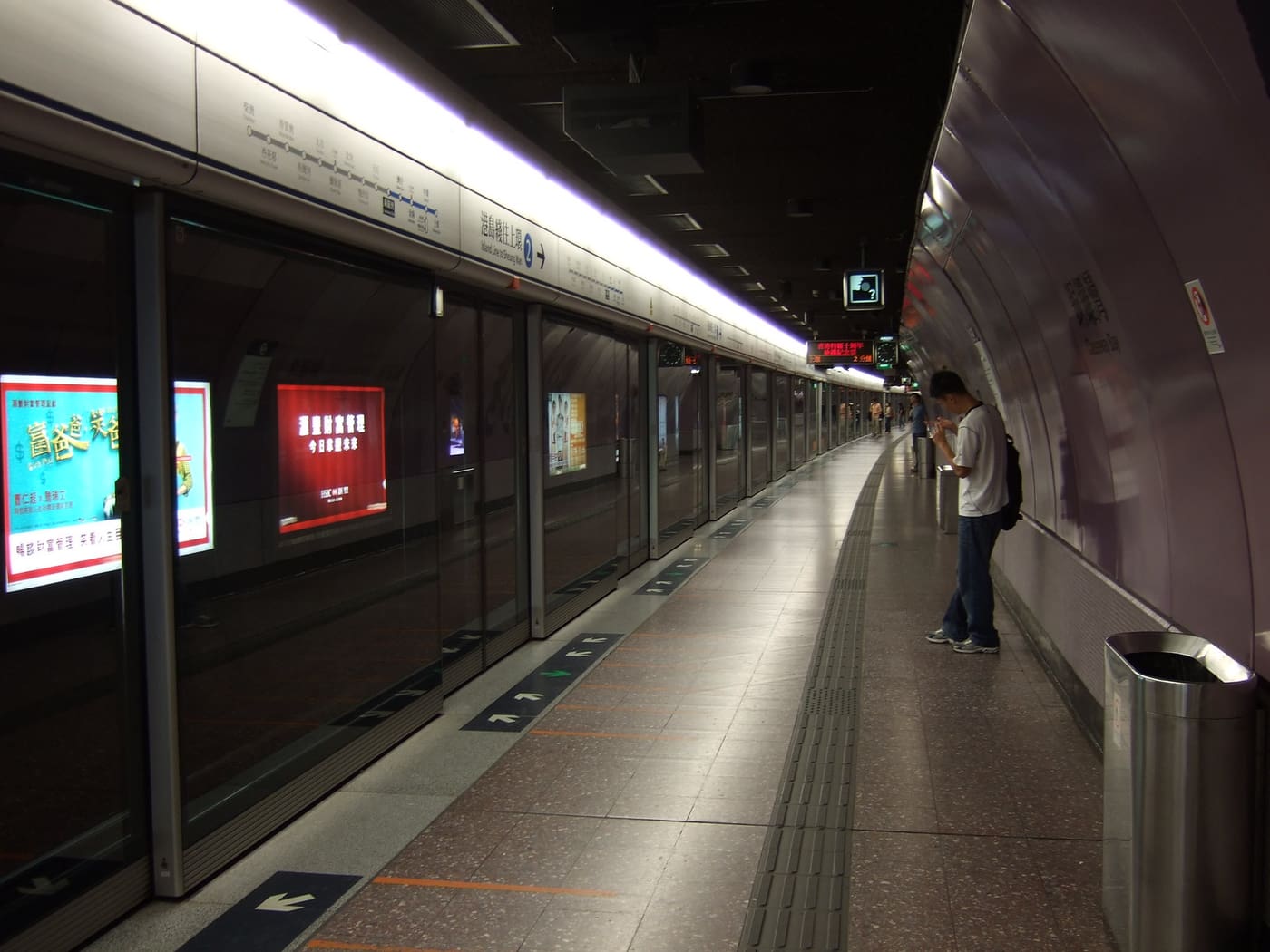
The Octopus is a tap card for the MTR, buses, trams and ferries, and for shops, and Octopus says it is accepted for dining, entertainment and shopping across the city. A visitor has two ways to get one.
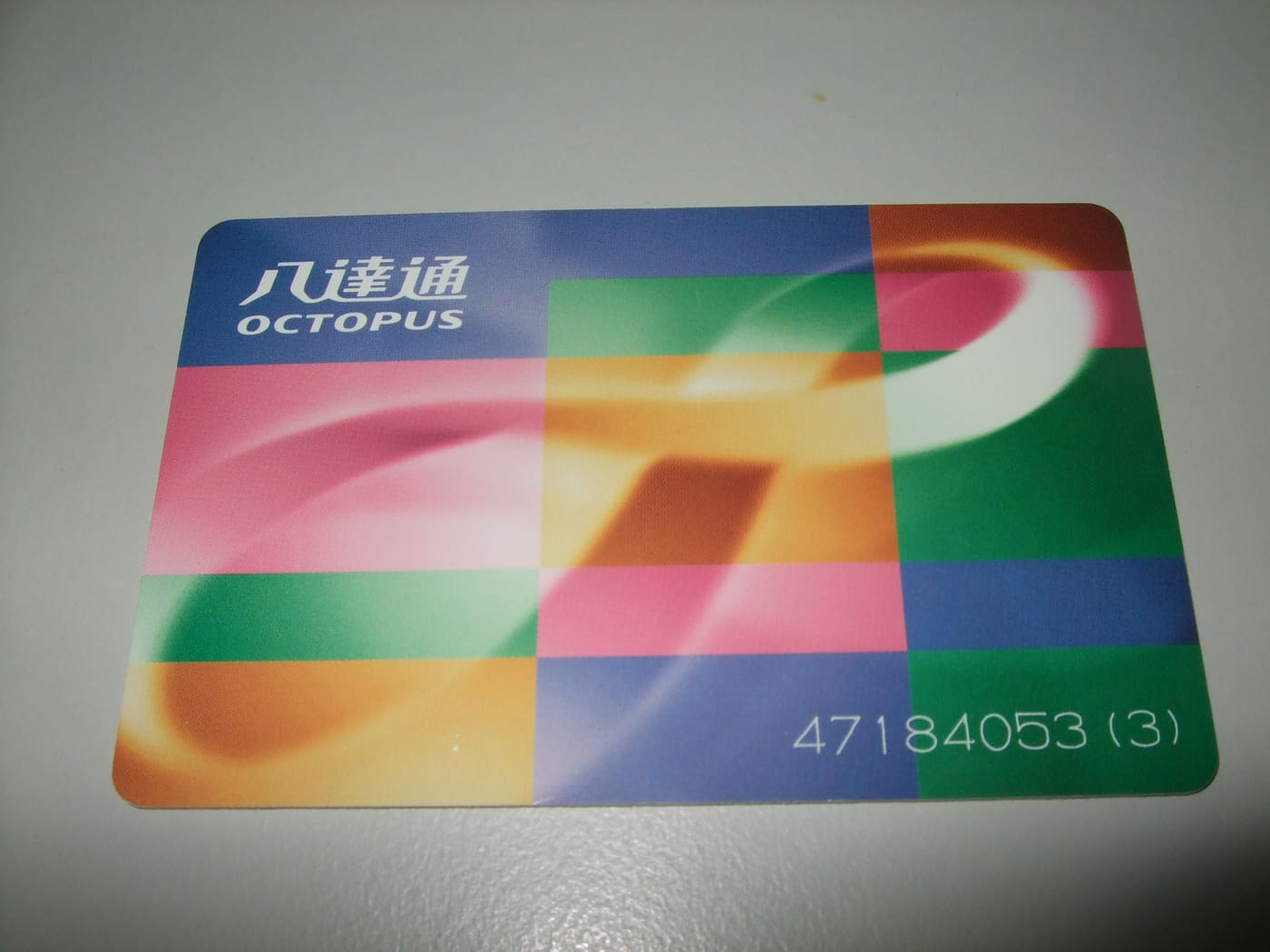
The Tourist Octopus (sold version) is priced at HK$39 with no initial stored value and no deposit. You reload it with cash at stores, and the HK$39 isn’t refundable (Octopus). The other kind is an on-loan card, which carries a deposit. Before you leave Hong Kong, take a physical card to an MTR Customer Service Centre. A balance under HK$1,000 is refunded on the spot. A larger one goes back to Octopus Cards Limited, which tells you the arrangements within nine working days. An on-loan card pays a handling fee of HK$11 or 1% of the balance, whichever is higher, if you return it within 90 days of issue, with more than HK$1,000 on it, or after five payments or fewer (Octopus). A phone or watch card is refunded through the Octopus App for Tourists.
That makes the sold card the simple one for a short stay. Guides add that taxis and some small restaurants don’t take it, which is why cash is on the list below.
Take the Airport Express
Recommended by 11 of 15 guides read.
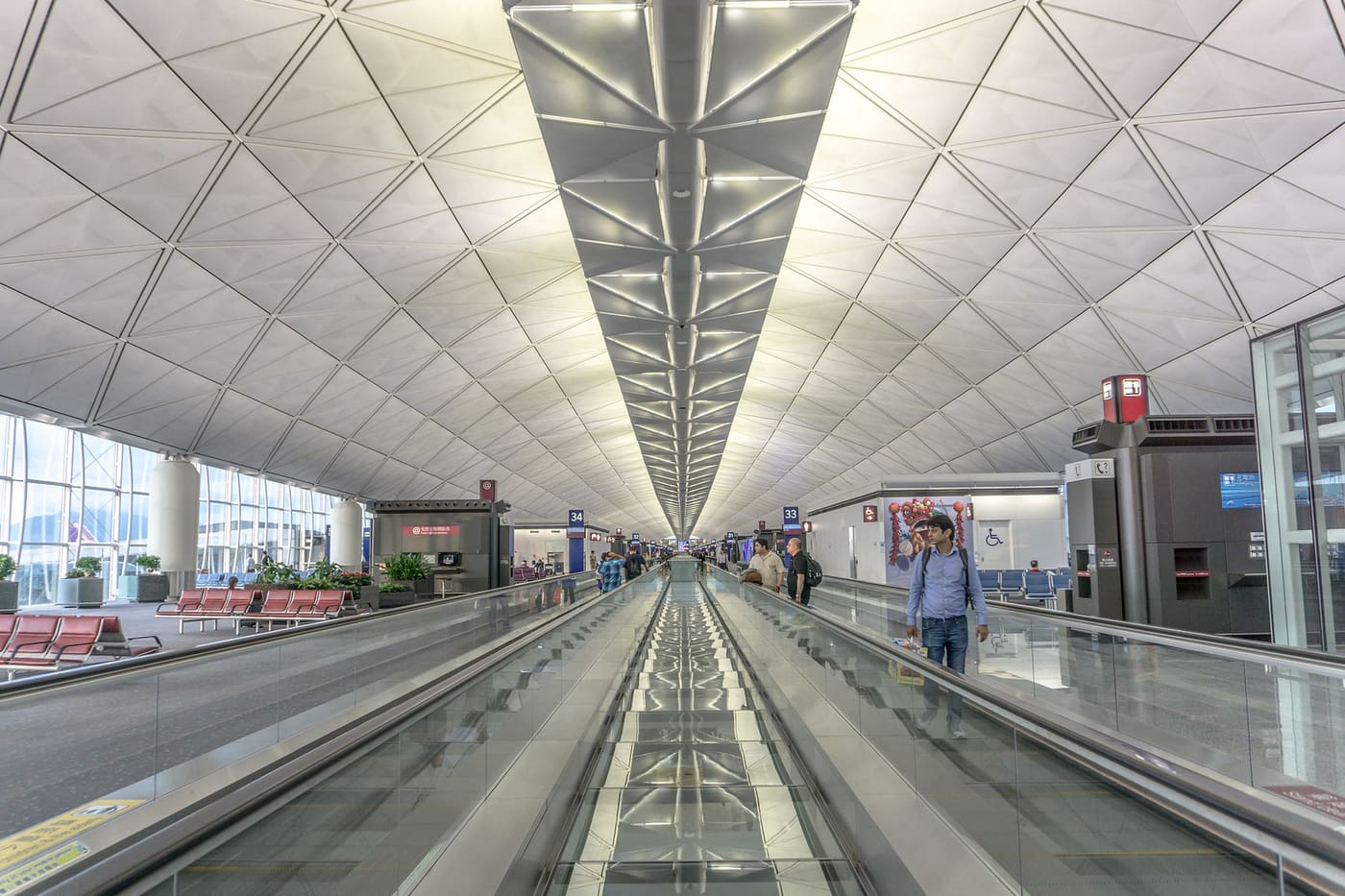
The airport lists the Airport Express as the quickest way to and from the city (Hong Kong International Airport). On an Octopus the adult fare to the airport is HK$120 from Hong Kong Station in Central, HK$105 from Kowloon Station and HK$73 from Tsing Yi. A child pays half. A single ticket costs HK$130, HK$115 and HK$80 (MTR fare data). Trains run about every 10 minutes (MTR).
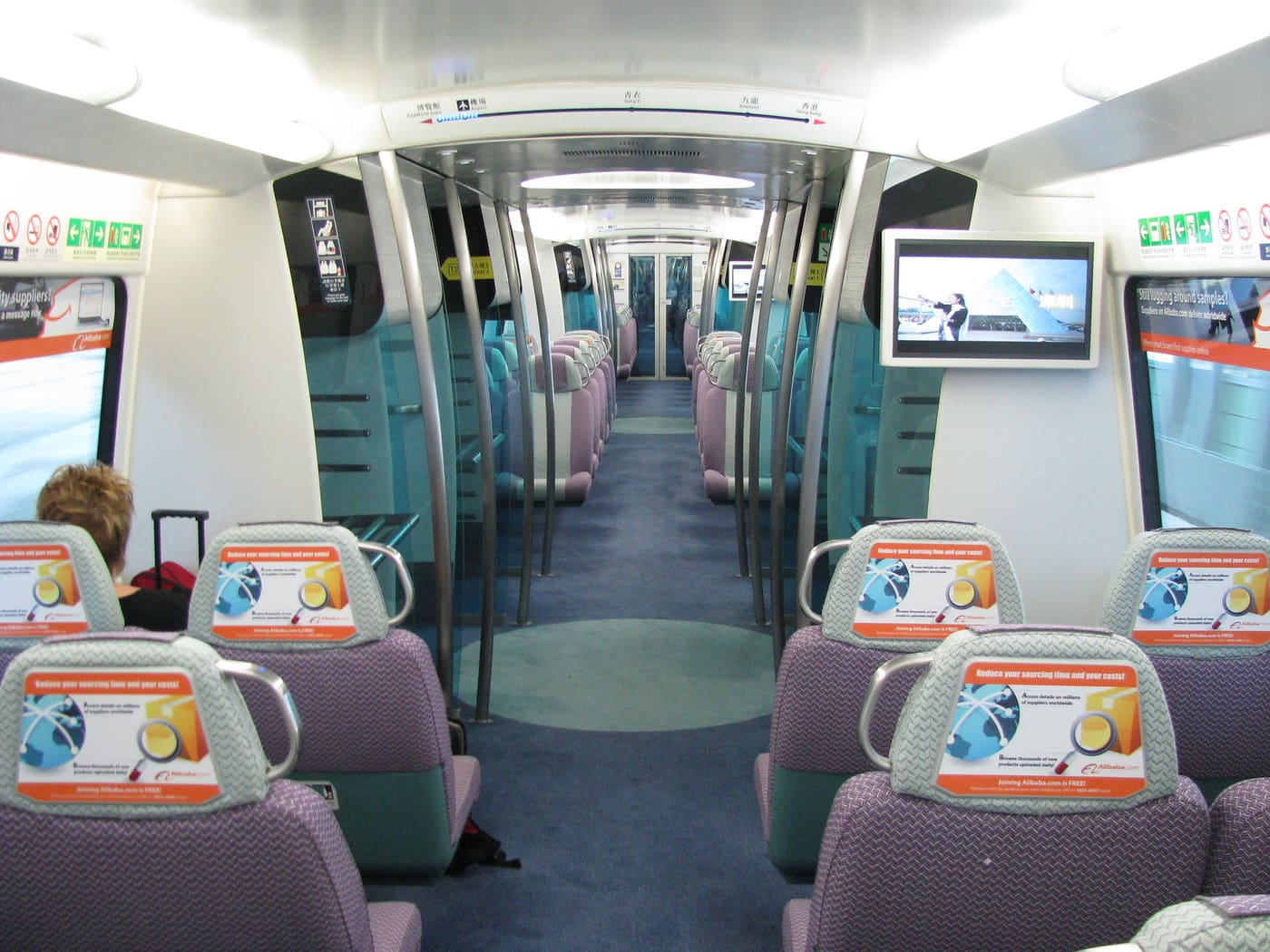
There’s a cheaper hop inside town. MTR’s Morning Express offer lets an Octopus holder ride from Kowloon or Tsing Yi to Hong Kong Station for HK$25. It runs 7am to 10am Monday to Saturday, and until 30 November 2026 it applies all day, every day including public holidays (MTR). The airport page also lists buses and taxis if you’d rather not use the train.
Typhoons and the weather
Typhoon signals: recommended by 8 of 15 guides read. Autumn or winter: 9 of 15.
The Hong Kong Observatory publishes numbered warning signals, and the one that matters is No. 8, issued when gale or storm force wind of 63 to 117 km/h is blowing or expected near sea level. No. 3 is strong wind of 41 to 62 km/h, and No. 10 is hurricane force. The Observatory says to follow its website, its MyObservatory app or the Dial-a-Weather line, 1878 200, because the signal alone doesn’t tell you what the weather is like where you are (Observatory). Guides say a Signal 8 stops most transport and many attractions, so keep a day of slack in your plan between June and September. Transport rules are the operators’ to set, so check each one.
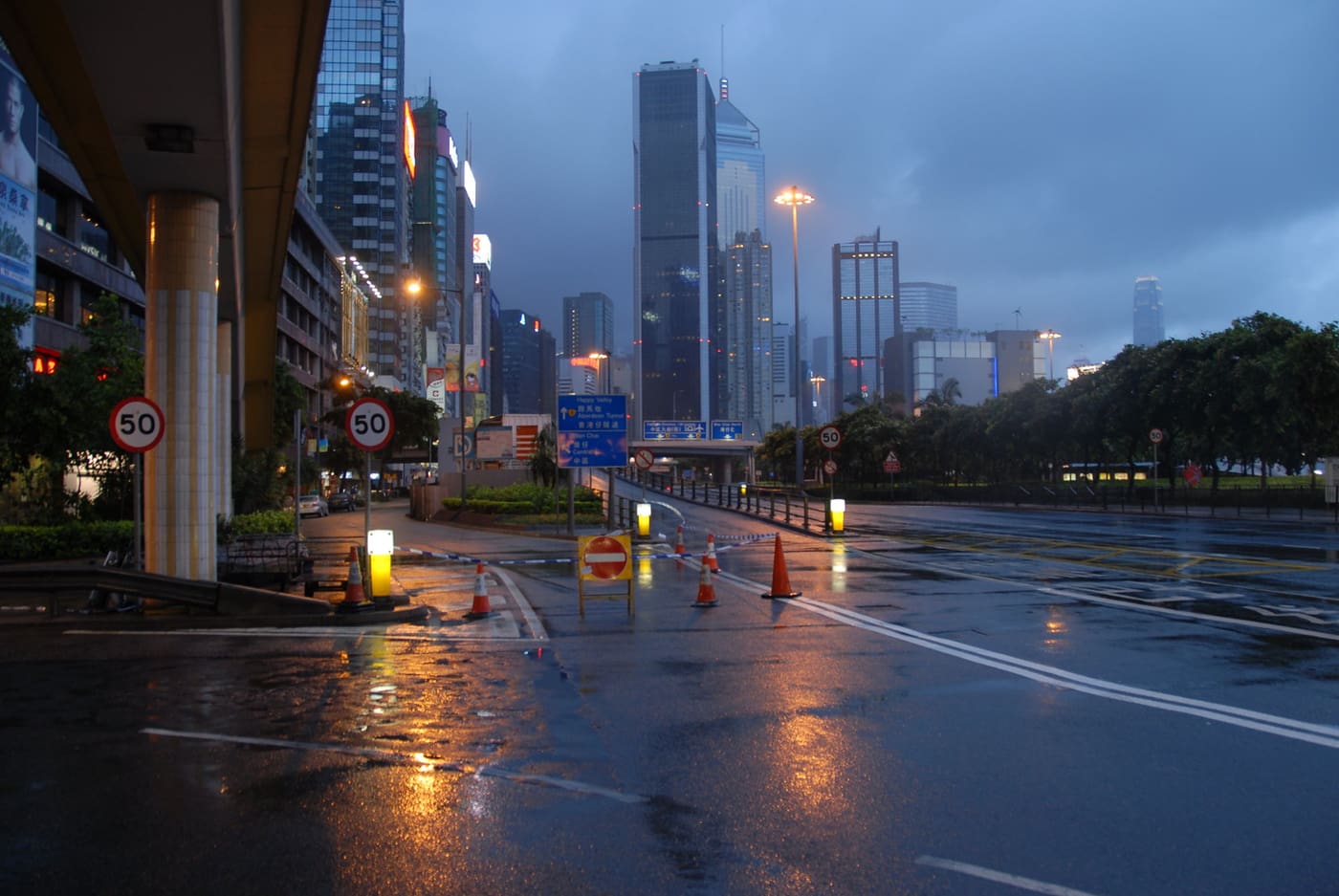
The Observatory’s 1991 to 2020 averages show when it matters. On average there are 2.43 days a year with Signal 8 or higher, and none from November to April (Observatory normals).
| Month | Mean daily max °C | Mean daily min °C | Rainfall mm | Days with Signal 8 or higher |
|---|---|---|---|---|
| January | 18.7 | 14.6 | 33.2 | 0 |
| February | 19.4 | 15.3 | 38.9 | 0 |
| March | 21.9 | 17.6 | 75.3 | 0 |
| April | 25.6 | 21.1 | 153.0 | 0 |
| May | 28.8 | 24.5 | 290.6 | 0.03 |
| June | 30.7 | 26.5 | 491.5 | 0.27 |
| July | 31.6 | 26.9 | 385.8 | 0.53 |
| August | 31.3 | 26.7 | 453.2 | 0.80 |
| September | 30.5 | 26.1 | 321.4 | 0.67 |
| October | 28.1 | 23.9 | 120.3 | 0.13 |
| November | 24.5 | 20.3 | 39.3 | 0 |
| December | 20.4 | 16.2 | 28.8 | 0 |
June has the most rain, at 491.5 mm, and December the least, at 28.8 mm. Nine guides point to the cooler, drier end of the year, though they don’t agree on the exact window. Three advise packing a light layer for the air conditioning.
Entry
Recommended by 5 of 15 guides read.
Visitors from many countries don’t need a visa. The Immigration Department’s table lists 90 days for the United States, Canada, Australia, New Zealand, Ireland, France, Germany, Italy, the Netherlands, Spain, Japan, Mexico, Brazil and Singapore, and 180 days for British citizens. Some passports get less, with India at 14 days as printed. You must have enough funds for your stay and, unless you’re going on to mainland China or Macau, an onward or return ticket (Immigration Department). Check the table for your own passport.
Cash, data and small things
From the guides, not official pages.
Carry some cash (6 guides). Taxis, markets and small cafes often take cash or an Octopus only.
Sort out data (8 guides). Most suggest an eSIM or a local SIM, with free Wi-Fi at MTR stations and in malls.
Tipping isn’t expected (6 guides). Many restaurants add a 10% service charge, and rounding up for a taxi or porter is fine.
Bring a UK-style plug adaptor (6 guides). Sockets are Type G.
Watch your bag in crowds (5 guides), especially in busy markets.
Follow the MTR rules (4 guides). Eating and drinking aren’t allowed on trains, and one guide gives a HK$2,000 fine, so check the MTR’s own rules. Stand on the right of escalators (4 guides).
Check the meter (4 guides) when you take a taxi.
Getting around
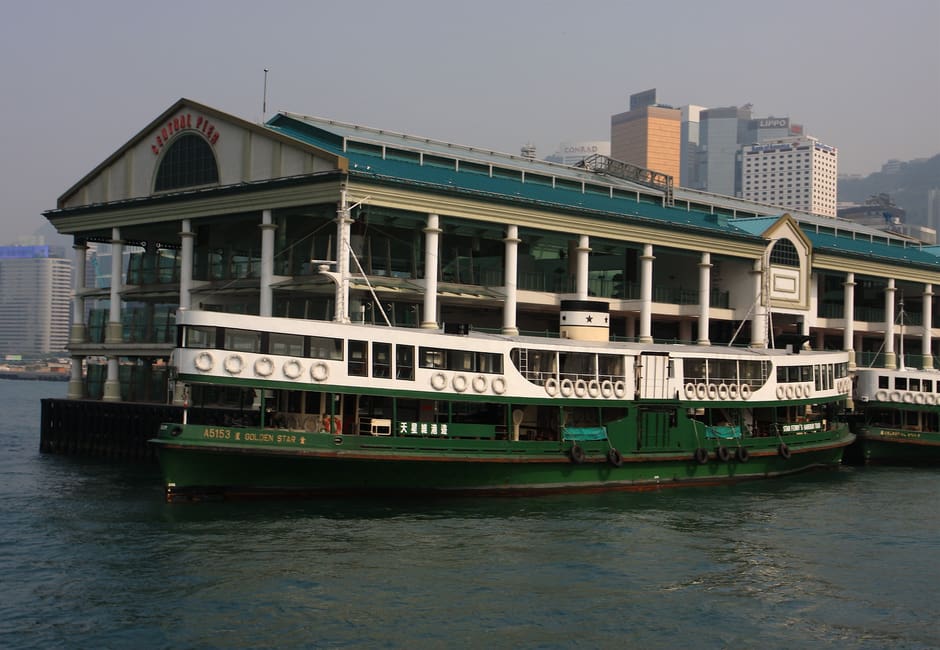
The Star Ferry crosses the harbour between Tsim Sha Tsui and Central from 06:30 to 23:30, and the upper-deck adult fare is HK$5.0 on weekdays and HK$6.5 at weekends and on public holidays (Star Ferry). The Transport Department’s HKeMobility plans bus, ferry and MTR journeys. Choosing a base near a station helps, so read where to stay in Hong Kong and Kowloon or Hong Kong Island.
For ideas, see things to do in Hong Kong, where to eat and the day trips guide. Typhoon signals also affect ferries, so check them before you go to Macau or the islands.
Frequently Asked Questions
Do you need an Octopus card in Hong Kong?
Not strictly, but 14 of 15 guides tell you to get one. A Tourist Octopus costs HK$39 with no deposit and works on the MTR, buses, trams and ferries.
How much is the Airport Express?
On an Octopus it’s HK$120 from Hong Kong Station to the airport, HK$105 from Kowloon Station and HK$73 from Tsing Yi. A child pays half.
What does Typhoon Signal 8 mean?
Gale or storm force wind of 63 to 117 km/h is blowing or expected near sea level. Guides say transport and attractions stop with little notice, so follow the Observatory.
When is the best time to visit Hong Kong?
Nine of 15 guides lean toward autumn and winter. The Observatory’s averages show the lowest rainfall from November to February, and no Signal 8 days from November to April.
Do you need a visa for Hong Kong?
Many passports don’t. The Immigration Department lists 90 days for the US, Canada, Australia and much of Europe, and 180 days for British citizens. Check the table for yours.
Is tipping expected in Hong Kong?
Six guides say no. Many restaurants add a 10% service charge.
Sources: 15 guides in English, French, Japanese, German, Spanish and Korean, and 10 official pages
Guides in English
- 10 Travel Tips and Top Tourist Spots for Visiting Hong KongExpat Living Hong Kong
- 11 Insider Hong Kong Travel Tips For First-Time VisitorsJetsetter
- Travel hacks for your next trip to Hong KongWego Travel Blog
- 6 Essential Hong Kong Travel TipsTripTins
- 21 Essential Travel Tips for Hong KongHer Asian Adventures
- First-time Hong Kong guide 2026Hong Kong Trip
- Hong Kong, First Timers Guide & Travel TipsPhil and Garth
- Hong Kong Travel Tips: Local Advice for Your First VisitHolidaySG
Guides in French
Guides in Japanese
- 香港オクトパスカード徹底ガイド!買い方・使い方・チャージ方法Trip it Easy (HIS)
- 香港の地下鉄MTRの乗り方!路線図や料金、注意点を解説NEWT
Guides in German
- Beste Reisezeit HongkongReiseuhu
Guides in Spanish
Guides in Korean
- 홍콩 여행 준비물 총정리트립스토어 블로그
Official pages
- Octopus, Tourist Octopus (Sold version)octopus.com.hk
- Octopus, Leaving Hong Kong (refunds)octopus.com.hk
- MTR Airport Express fares (open data)opendata.mtr.com.hk
- MTR Airport Express Morning Express Servicemtr.com.hk
- MTR service hours and train frequencymtr.com.hk
- Hong Kong International Airport, to and from the airporthongkongairport.com
- Hong Kong Observatory, Tropical Cyclone Warning Signals leaflethko.gov.hk
- Hong Kong Observatory, monthly meteorological normals 1991 to 2020hko.gov.hk
- Hong Kong Immigration Department, visit visa and entry permit requirementsimmd.gov.hk
- Star Ferry, ferry services: timetable and faresstarferry.com.hk
Places in this guide
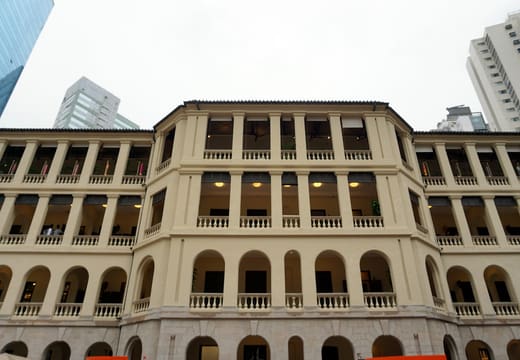
Photos show the actual places, licensed under Creative Commons and credited to their photographers.
Find hotels in Hong Kong
Browse live availability and compare prices for your dates.
See hotels near Hong Kong on Booking.comPrices are for the night of Saturday 14 November. You can change the dates on Booking.com. If you book, Roam Hong Kong earns a small commission from Stay22 at no extra cost to you.